WHICH FRAMEWORK IS BEST FOR MOBILE APP DEVELOPMENT?
Choosing the right mobile app development framework is a critical decision that directly impacts performance, scalability, development cost, and long-term business growth. With multiple native and cross-platform frameworks available, selecting the best-fit technology ensures faster development, better user experience, and future-ready architecture for your mobile application.
MOBILE APP DEVELOPMENT FRAMEWORKS EXPERTS
Selecting the best framework for mobile app development plays a vital role in creating high-performing, scalable, and secure applications. Modern businesses rely on robust frameworks to deliver seamless mobile experiences across Android and iOS platforms while maintaining development efficiency and cost control.
From startups building MVPs to enterprises developing large-scale applications, choosing the right framework ensures smooth performance, consistent UI, faster time-to-market, and long-term maintainability.
ESSENTIAL FACTORS TO CHOOSE THE BEST MOBILE APP FRAMEWORK
Strategic Business Requirements
Understanding business goals, target audience, and long-term scalability helps determine whether native or cross-platform frameworks are more suitable.
Performance & Speed
High-performance frameworks ensure smooth UI rendering, fast load times, and reliable app responsiveness.
Platform Compatibility
The right framework supports Android, iOS, or both, depending on your product strategy and user reach.
Development Cost & Timeline
Frameworks with shared codebases significantly reduce development time and overall project cost.
Security & Scalability
A strong framework supports secure architecture, data protection, and future feature expansion.
Community & Support
Frameworks with active communities and long-term support ensure easier maintenance and faster issue resolution.
BEST MOBILE APP DEVELOPMENT FRAMEWORKS
Modern mobile app development relies on proven frameworks that deliver performance, scalability, and flexibility. Choosing the right framework allows businesses to launch feature-rich applications while minimizing technical risks and development overhead.
The ideal framework helps reduce development time, optimize costs, and ensure seamless performance across devices and platforms. Whether you are building a native app, cross-platform solution, or progressive web app, the framework you choose directly impacts user experience, maintenance, and future scalability. We help businesses identify, select, and implement the most suitable mobile app development frameworks based on their technical requirements, target audience, and business objectives.
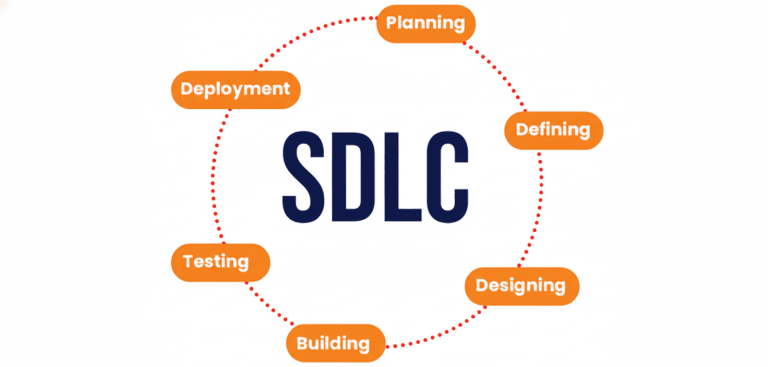
KEY STEPS TO BUILD A MOBILE APP USING THE RIGHT FRAMEWORK

Building a successful mobile app starts with clearly defining business goals, target users, and core features. Based on these requirements, the right development framework is selected to ensure optimal performance, scalability, and compatibility across platforms while keeping development time and costs under control.
Requirement analysis and platform selection
UI/UX design and user journey planning
Framework selection based on performance and scalability
App development and API integration
Quality testing and performance optimization
App store deployment and launch
Ongoing maintenance and updates
The next step involves designing, developing, testing, and deploying the application using best practices supported by the chosen framework. Continuous testing, performance optimization, and future-ready architecture ensure the app remains secure, scalable, and easy to maintain as user demand and business needs grow.
FEATURES OF MODERN MOBILE APP FRAMEWORKS
Cross-Platform Compatibility
Develop high-quality Android and iOS applications using a unified codebase, ensuring consistent functionality, faster development, and reduced overall costs.
Native-Like Performance
Deliver smooth animations, fast load times, and responsive interfaces that closely match native app performance across all supported devices.
Scalable Architecture
Design flexible application architecture that supports seamless feature expansion, performance optimization, and increasing user traffic without stability issues.
Secure Development Environment
Implement robust security practices, data encryption, and framework-level protections to safeguard user data and ensure compliance with industry standards.
API & Third-Party Integrations
Integrate APIs, payment gateways, analytics tools, and cloud services smoothly to enhance app functionality and support business operations efficiently.
Faster Time-to-Market
Accelerate app development and deployment using reusable components, automation tools, and efficient frameworks to launch faster in competitive markets.
WHICH FRAMEWORK IS BEST FOR MOBILE APP DEVELOPMENT?
There is no single best framework for every mobile app. The right choice depends on multiple factors, including business objectives, target audience, performance expectations, platform requirements, development budget, and long-term scalability goals.
React Native and Flutter are popular for cross-platform development due to faster development cycles and cost efficiency. SwiftUI and Kotlin deliver superior native performance for platform-specific applications. Xamarin / .NET MAUI and Kotlin Multiplatform are preferred for enterprise-grade systems requiring scalability and security.
Businesses that align framework selection with their product vision consistently achieve better performance, user engagement, and long-term success. Ultimately, businesses that align framework selection with their product vision, technical requirements, and future roadmap achieve better performance, higher user engagement, reduced risks, and long-term success in the competitive mobile app market.
Frequently Asked Questions?
The best framework depends on your app requirements. Flutter and React Native are ideal for cross-platform apps, while SwiftUI and Kotlin deliver superior native performance.
Flutter excels in UI consistency and animations, while React Native benefits from JavaScript flexibility and a larger ecosystem.
Startups prefer Flutter or React Native for faster development and lower costs.
Enterprises typically choose Xamarin/.NET MAUI, React Native, or Kotlin Multiplatform for scalability and security.
Flutter is popular due to its fast development, single codebase, expressive UI, and near-native performance across Android and iOS platforms.