HOW TO SECURE MOBILE APP DATA
Mobile app data security is no longer optional. With increasing cyber threats, data breaches, and strict privacy regulations, securing mobile app data is critical for protecting user information, maintaining trust, and ensuring legal compliance.
HOW TO SECURE MOBILE APP DATA RANKING
Securing mobile app data is essential to protect user privacy and prevent data breaches. Use strong encryption for stored and transmitted data, enable HTTPS with SSL/TLS, and implement secure authentication methods like biometrics and multi-factor authentication to block unauthorized access.
Additionally, follow secure coding practices by validating user inputs, protecting APIs, limiting data storage, and keeping the app updated. Regular security testing and server-side access control help ensure long-term mobile app data security and build user trust.
Essential STEPS to SECURE MOBILE APP DATA
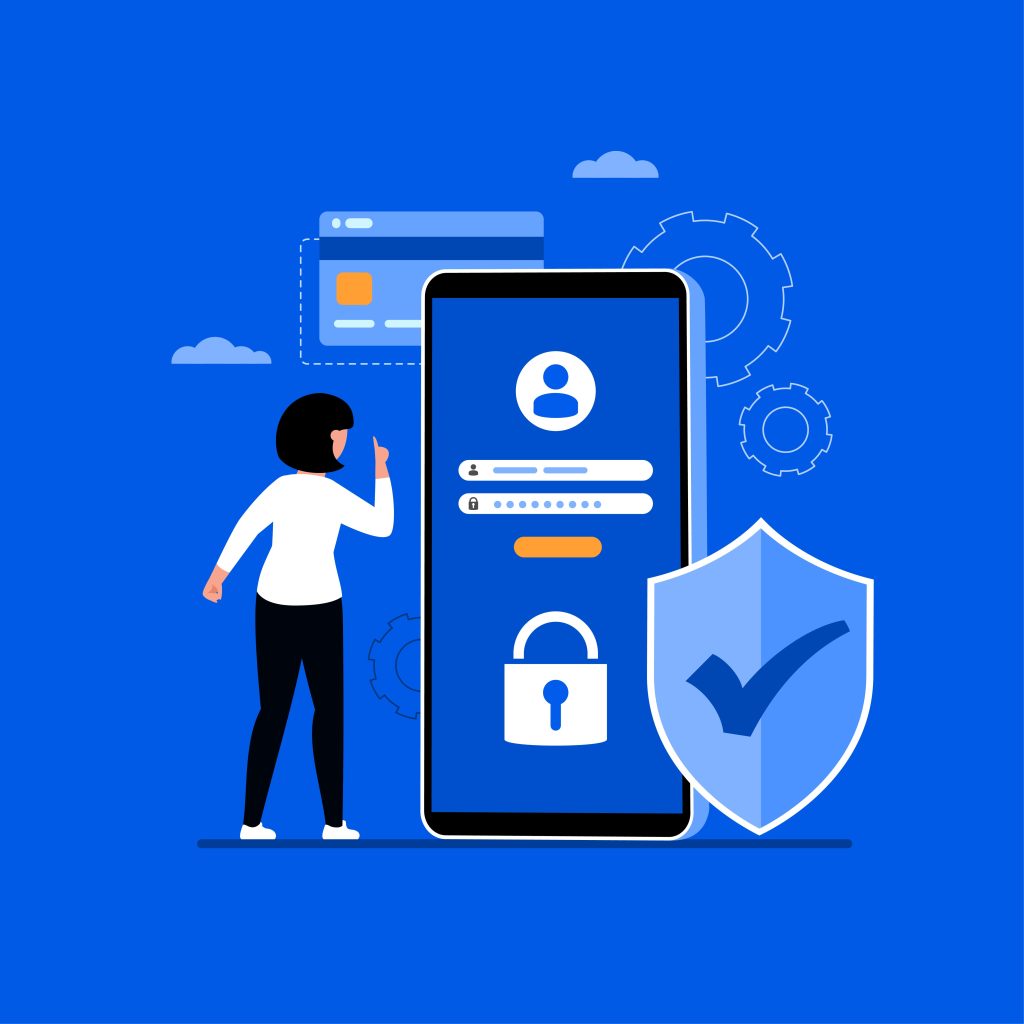
Secure Authentication & Authorization
Use OAuth 2.0, JWT, biometrics, and multi-factor authentication to ensure only verified users can securely access sensitive mobile application data.
Data Encryption (At Rest & In Transit)
Encrypt stored data using AES-256 and protect data transmission with HTTPS and TLS to prevent data theft and unauthorized interception.
Secure API Communication
Protect APIs using authentication tokens, API keys, rate limiting, and input validation to block unauthorized access and malicious requests.
Secure Cloud & Database Storage
Use secure cloud platforms with role-based access control, encrypted databases, and protected backups to keep mobile app data safe.
Minimal Data Storage Principle
Store only essential user data and avoid unnecessary permissions to reduce exposure and limit damage in case of a security breach.
Regular Security Testing
Conduct penetration testing, vulnerability scanning, and code audits regularly to detect and fix security weaknesses before attackers exploit them.x
BEST MOBILE APP DATA SECURITY SERVICES IN INDIA
India’s growing mobile app market makes security more important than ever. Businesses must secure user data to avoid legal issues, financial penalties, and reputational damage.
Our mobile app security services in India include:
Android & iOS app security audits
Secure API & backend protection
Compliance with Indian IT laws & global standards
Ongoing monitoring & updates
We help startups and enterprises build secure, scalable, and compliant mobile apps.

FEATURES REQUIRED BEFORE SECURING MOBILE APP DATA
Secure Code Architecture
Implement code obfuscation, secure build configurations, and anti-tampering techniques to prevent reverse engineering, unauthorized modifications, and exploitation of mobile application source code.
Data Minimization
Collect, process, and store only essential user data required for functionality, reducing privacy risks, compliance burden, and impact of potential data breaches.
Secure Local Storage
Store sensitive data using encrypted storage solutions like Android Keystore or iOS Keychain instead of plain text files or shared preferences.
Session Management
Implement secure session handling with auto logout, token expiration, inactivity timeouts, and refresh tokens to prevent session hijacking and unauthorized access.
Secure Third-Party SDKs
Use trusted, well-maintained third-party libraries, regularly update SDKs, and monitor vulnerabilities to avoid security risks from external dependencies.

STEP-BY-STEP GUIDE HOW TO SECURE MOBILE APP DATA
Identify Sensitive Data
Analyze and classify sensitive information like passwords, payment details, personal data, and user credentials that require strong protection throughout the application lifecycle.
Implement Strong Encryption
Encrypt sensitive data at rest and in transit using AES-256 and HTTPS/TLS to prevent unauthorized access, leaks, or interception.
Secure Network Communication
Protect all data transfers using HTTPS, SSL pinning, secure API gateways, and firewall rules to block man-in-the-middle attacks.
Protect Backend Services
Secure servers, databases, APIs, and cloud infrastructure with access controls, authentication, encryption, and regular security hardening practices.
Implement Access Control
Use role-based access control, secure authentication, and permission management to ensure users and services access only authorized data.
Monitor & Update Security
Continuously monitor app activity, detect threats, apply security patches, and update dependencies to stay protected against evolving cyber risks.
KEY CHALLENGES in MOBILE APP DATA SECURITY

Data Breaches
Weak encryption, exposed APIs, or insecure storage can lead to data breaches, causing loss of sensitive user information, financial damage, and reduced user trust.
Insecure APIs
Poorly secured backend APIs without authentication, validation, or rate limiting allow attackers to access, manipulate, or steal mobile application data.
Malware & Reverse Engineering
Lack of code obfuscation and tamper protection makes apps vulnerable to malware injection, reverse engineering, and unauthorized feature manipulation.
Weak Authentication
Password-only login systems without MFA, biometrics, or token-based authentication increase the risk of credential theft and unauthorized access.
Compliance Issues
Failure to meet GDPR, HIPAA, or PCI-DSS requirements can result in legal penalties, data misuse, and loss of customer confidence.
Frequently Asked Questions?
Mobile app data security refers to protecting user data from unauthorized access, breaches, and cyberattacks.
HTTPS is essential but not sufficient alone. Apps also require data encryption, secure authentication, API protection, and backend security for complete protection.
Encryption protects sensitive data by converting it into unreadable formats, ensuring information remains secure even if hackers intercept or access the data.
Yes, mobile apps must comply with regulations like GDPR, HIPAA, and PCI-DSS to ensure legal data handling and user privacy protection.
Security testing should be conducted regularly, especially after updates, feature changes, or third-party integrations, to detect and fix new vulnerabilities.