Native vs Hybrid App Development Which Should You Choose?
Choosing between native and hybrid app development is a crucial decision for businesses planning a mobile application. Both approaches offer different advantages in terms of performance, cost, scalability, and development speed.
Native and hybrid app development are two widely used approaches for building mobile applications. Native apps are developed specifically for Android or iOS, while hybrid apps use a single codebase to run on multiple platforms. Understanding the difference between native and hybrid app development helps businesses select the right technology based on performance expectations, budget, time-to-market, and long-term growth goals.
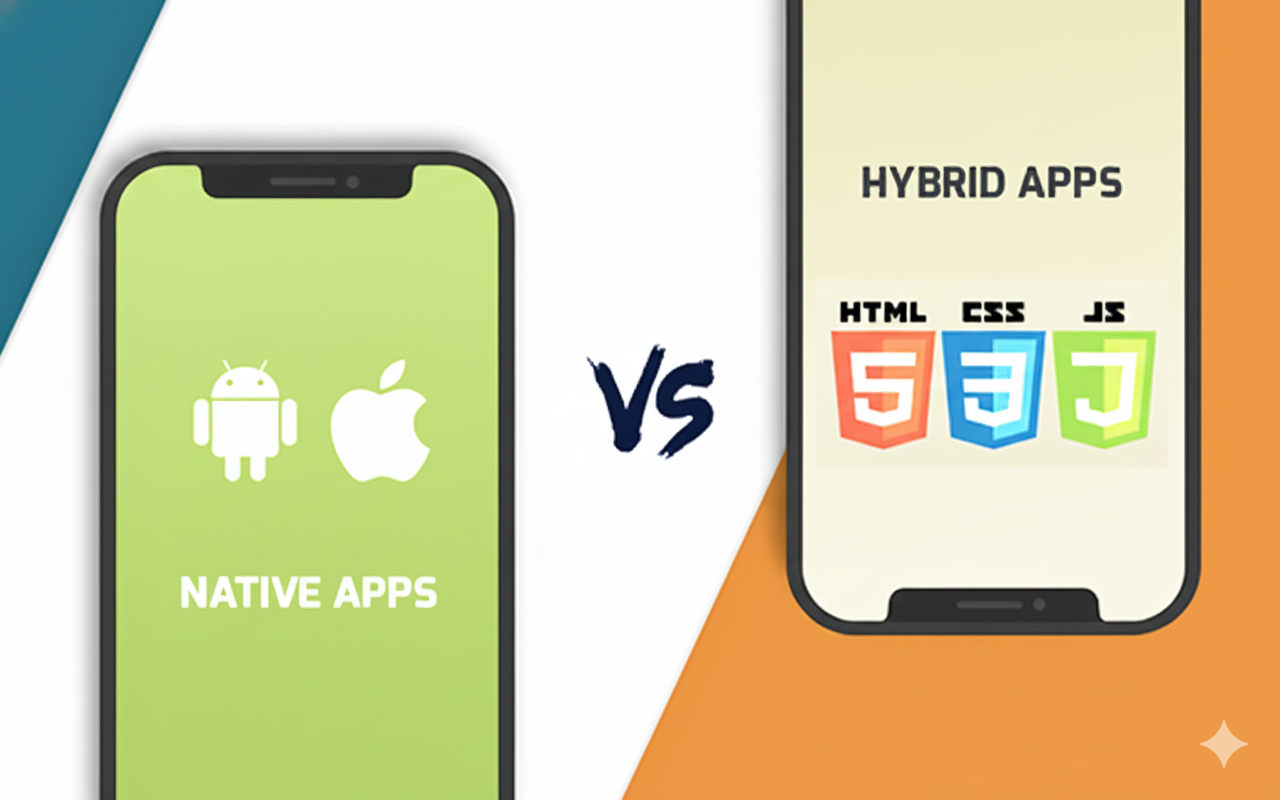
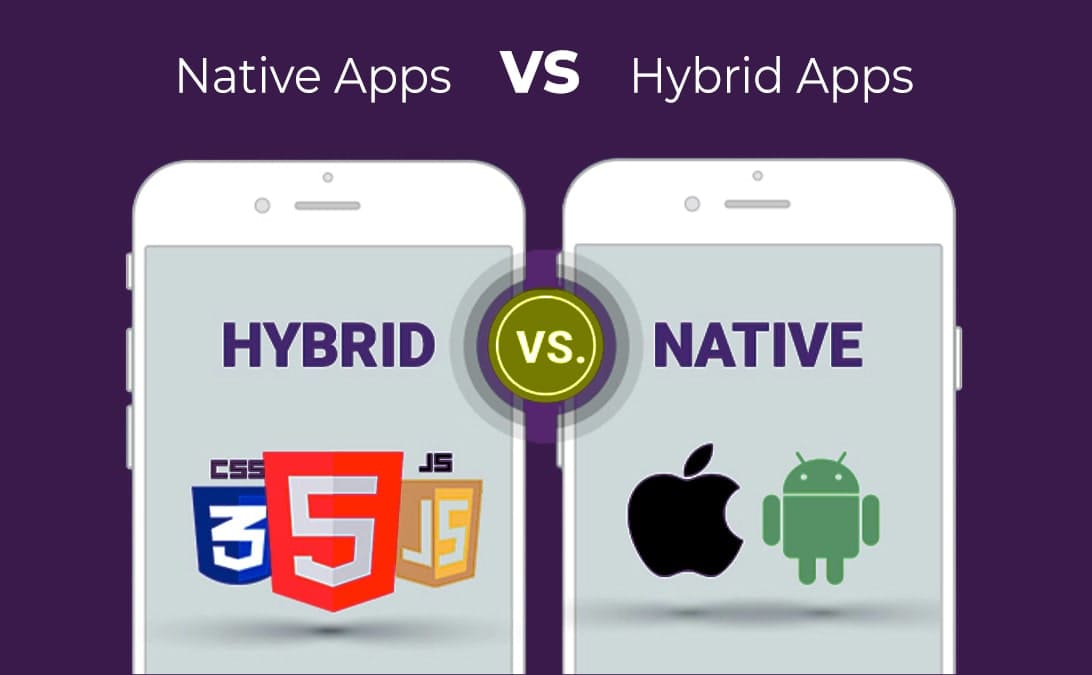
Hybrid app development uses a single codebase built with web technologies such as HTML, CSS, and JavaScript, wrapped inside a native container using frameworks like Flutter, React Native, or Ionic.
Essential Factors to Choose Native or Hybrid App Development
Performance Requirements
Native apps offer superior speed, smooth animations, and direct hardware access, making them ideal for high-performance, feature-rich, complex mobile applications.
Budget & Timeline
Hybrid apps lower development costs, reuse single codebase, and enable faster launches, perfect for startups, MVPs, and time-sensitive business goals.
Platform Strategy
Native development focuses on one platform for deeper optimization, while hybrid supports multiple platforms simultaneously using shared, cross-platform code architecture.
Scalability & Maintenance
Hybrid apps simplify maintenance with unified updates, whereas native apps handle complex scalability demands better as user base, features grow.
User Experience & UI
Native apps follow platform design guidelines closely, delivering intuitive user experiences, while hybrid apps may face consistency limitations across devices.
Long-Term Business Goals
Choose native for long-term innovation and premium quality; choose hybrid for rapid validation, cost efficiency, and faster business expansion globally.
Best Mobile App Development Services in India
At Amunis Technologies, we help businesses choose the right mobile app development approach based on real business needs. Whether you require a high-performance native application or a cost-effective hybrid solution, our experienced team evaluates your goals, target audience, budget, and timeline before recommending the ideal technology stack.
We specialize in developing secure, scalable, and user-friendly mobile applications for startups, SMEs, and enterprises across multiple industries. Our apps are optimized for performance, data security, and seamless user experience on both Android and iOS platforms.
Key Steps to Select the Right App Development Approach
Choosing the right app development approach starts with clearly understanding your business goals, target audience, and performance requirements. Evaluate whether your application needs advanced features, high-speed performance, or deep hardware integration, which may favor native development, or faster deployment and cost efficiency, which suits hybrid solutions.
Define app goals and target audience
Identify required features and integrations
Decide platform requirements (Android, iOS, or both)
Evaluate performance expectations
Compare development cost and timeline
Plan for future scalability and updates
The next step is to assess your budget, timeline, scalability needs, and long-term maintenance plans. Consider how quickly you want to launch, future feature expansion, and ongoing support requirements to ensure the selected approach aligns with your overall business strategy and growth objectives.

Native vs Hybrid App Development Features
High Performance & Speed
Native apps provide faster execution, smoother animations, and optimal hardware access, ensuring superior performance for complex, feature-rich mobile applications globally.
Cross-Platform Support
Hybrid apps operate across multiple platforms using one shared codebase, reducing development effort, cost, and time-to-market significantly for businesses worldwide.
User Experience
Native apps follow platform design guidelines closely, delivering intuitive navigation, consistent interactions, and a polished user interface experience across devices.
Development Speed
Hybrid app development accelerates build cycles, enables faster testing, and allows quicker deployment for startups and growing businesses globally today.
Maintenance Efficiency
Hybrid apps simplify maintenance through single updates, centralized fixes, and reduced resource requirements across supported mobile platforms for long-term projects.
Cost Efficiency
Hybrid development lowers overall costs by reusing code, minimizing team size, and optimizing budgets without compromising core functionality and quality.
Challenges in Choosing Native or Hybrid App Development

Selecting between native and hybrid app development can be challenging for businesses, especially when balancing performance expectations, budget constraints, and long-term scalability. Native apps often demand a higher initial investment due to separate development for each platform, while hybrid apps may face performance limitations when handling complex features or high user loads.
At Amunis Technologies, we help businesses overcome these challenges through strategic consultation and technical expertise. Our team analyzes project complexity, user expectations, and growth plans before recommending the most suitable development approach. We focus on performance optimization, secure architecture, and scalable solutions to ensure your mobile app delivers consistent quality, long-term value, and measurable business success.
Another common challenge is technology alignment with business goals. Choosing the wrong approach can lead to increased maintenance costs, delayed updates, or difficulty scaling the app as the business grows. Businesses also struggle to predict future requirements, such as integrating advanced features, third-party services, or handling increased traffic.
Frequently Asked Questions?
Native apps are built for a specific platform, while hybrid apps work across platforms using a single codebase, improving development efficiency.
Hybrid app development is often better for startups due to lower cost, faster launch, and easier maintenance requirements.
Yes, native apps generally provide better performance and smoother user experience, especially for complex, high-usage applications.
Yes, modern frameworks can support complex features with proper optimization, plugins, and performance-focused development strategies.
Yes, hybrid apps can scale effectively when built with strong architecture, optimized code, and experienced development teams.