
Software Development Lifecycle Explained
Software Development Lifecycle explained in simple terms helps businesses understand how software is planned, built, tested, and maintained efficiently. From idea validation to deployment and long-term support, SDLC ensures high-quality software development with reduced risks, better cost control, and predictable delivery timelines.
What Is the Software Development Lifecycle (SDLC)?
The Software Development Lifecycle (SDLC) is a comprehensive, step-by-step framework that defines how software applications are planned, designed, developed, tested, deployed, and maintained. It provides development teams with a structured methodology to build high-quality, scalable, and secure software solutions efficiently.
The software development lifecycle explained helps organizations reduce development costs, avoid project failures, and ensure software meets both technical requirements and business objectives. By following SDLC best practices, companies can improve productivity, enhance collaboration between teams, and deliver software on time.
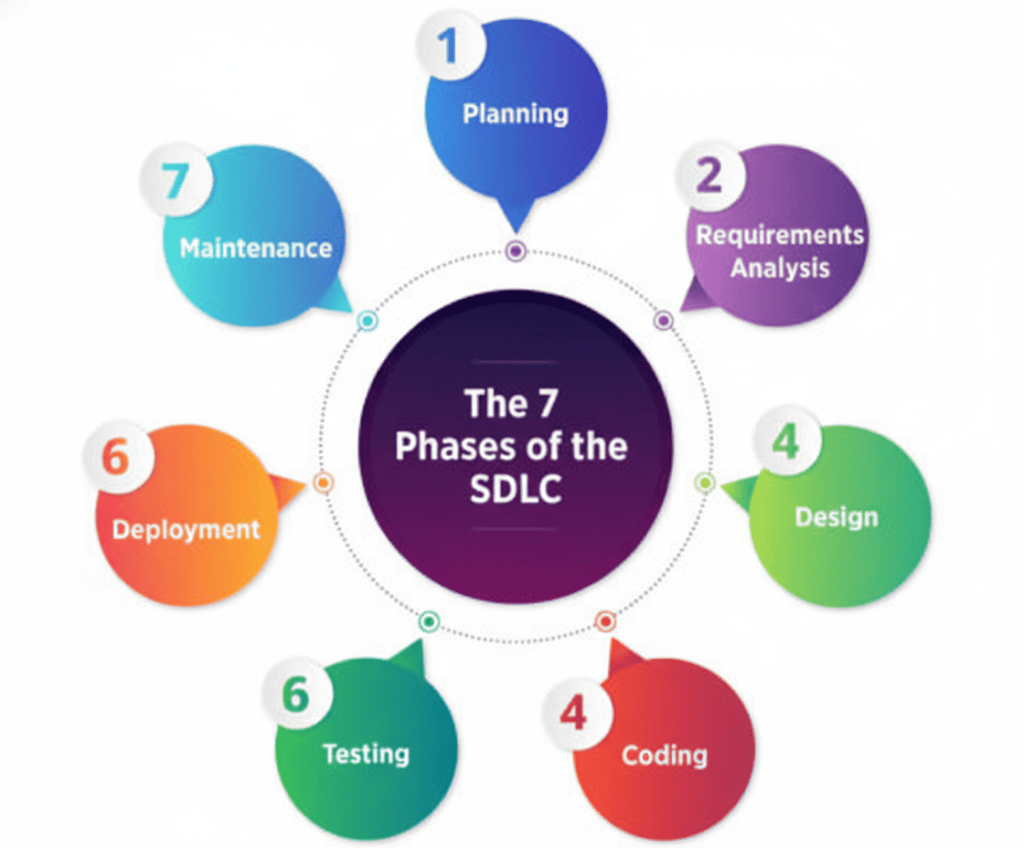
ESSENTIAL PHASES OF THE SOFTWARE DEVELOPMENT LIFECYCLE
Requirement Analysis & Planning
This phase focuses on gathering business requirements, understanding user needs, defining project scope, timelines, and selecting the right technology stack.
System Design
Technical architecture, database design, UI/UX workflows, and system specifications are created to define how the software will function.
Software Development
Developers write clean, scalable, and secure code following best coding practices and SDLC standards.
Testing & Quality Assurance
Rigorous testing ensures the software is bug-free, secure, high-performing, and meets business expectations.
Deployment
The application is deployed to production environments using secure and optimized deployment strategies.
Maintenance & Support
Post-launch updates, bug fixes, performance optimization, and feature enhancements are handled continuously.
SOFTWARE DEVELOPMENT LIFECYCLE BEST PRACTICES FOR LONG-TERM SUCCESS
Following software development lifecycle best practices ensures that applications are scalable, secure, and future-ready. A well-implemented SDLC focuses on clear documentation, continuous communication between stakeholders, regular testing, and performance monitoring at every stage. This structured approach helps teams identify issues early, reduce development risks, and deliver high-quality software that meets real business needs.
Another critical best practice in the software development lifecycle explained process is continuous improvement. By collecting user feedback, monitoring system performance, and updating software regularly, businesses can adapt to changing market demands. This not only improves user experience but also extends the software’s lifespan, reduces maintenance costs, and supports sustainable digital growth.
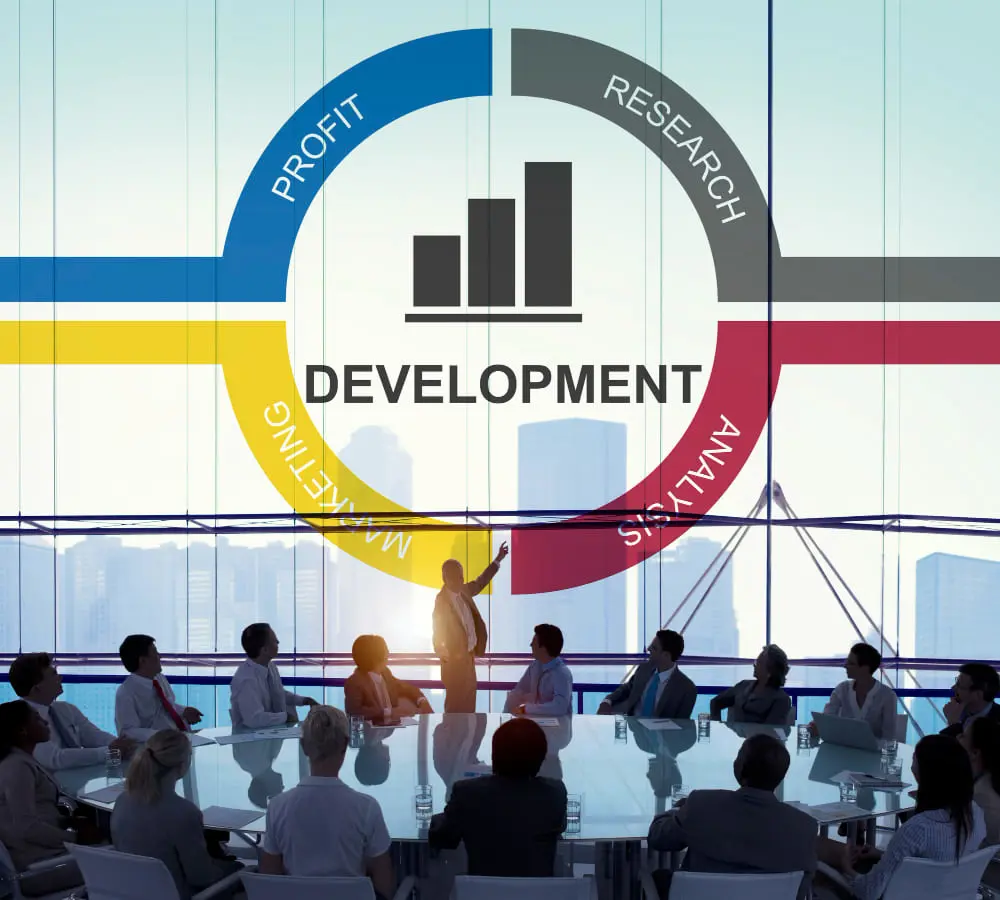
Key Steps to BUILD HIGH-QUALITY SOFTWARE USING SDLC
Building high-quality software using the Software Development Lifecycle (SDLC) starts with clear requirement analysis and strategic planning. By defining business goals, user needs, timelines, and technical specifications early, teams reduce errors and ensure alignment throughout the development process. A well-structured design and disciplined coding approach help create scalable, secure, and performance-driven software.
Clear requirement documentation reduces misunderstandings
Structured planning minimizes cost overruns
Continuous testing ensures high performance
Scalable architecture supports future growth
Security measures protect sensitive data
Maintenance planning ensures long-term reliability
The quality of software is further strengthened through rigorous testing, smooth deployment, and continuous maintenance. Regular testing identifies issues early, while ongoing updates and monitoring ensure long-term reliability and improvement.

Features of STRONG SOFTWARE DEVELOPMENT LIFECYCLE
Clear Project Roadmap
Establishes well-defined goals, scope, and direction, ensuring teams stay aligned with business objectives throughout the entire development lifecycle.
Defined Development Milestones
Breaks the project into measurable phases, making progress tracking easier while ensuring timely completion of each critical development stage.
Improved Team Collaboration
Encourages seamless communication between developers, designers, testers, and stakeholders, reducing misunderstandings and improving overall project efficiency.
Reduced Technical Debt
Promotes clean architecture, proper documentation, and best coding practices, minimizing future rework, maintenance costs, and long-term system complexity.
Predictable Delivery Timelines
Enables accurate scheduling and resource planning, helping teams consistently meet deadlines without compromising software quality or performance.
Higher Customer Satisfaction
Delivers reliable, scalable, and user-focused software solutions that meet expectations, enhance user experience, and support long-term business growth.
WHY SOFTWARE DEVELOPMENT LIFECYCLE IS IMPORTANT FOR BUSINESSES
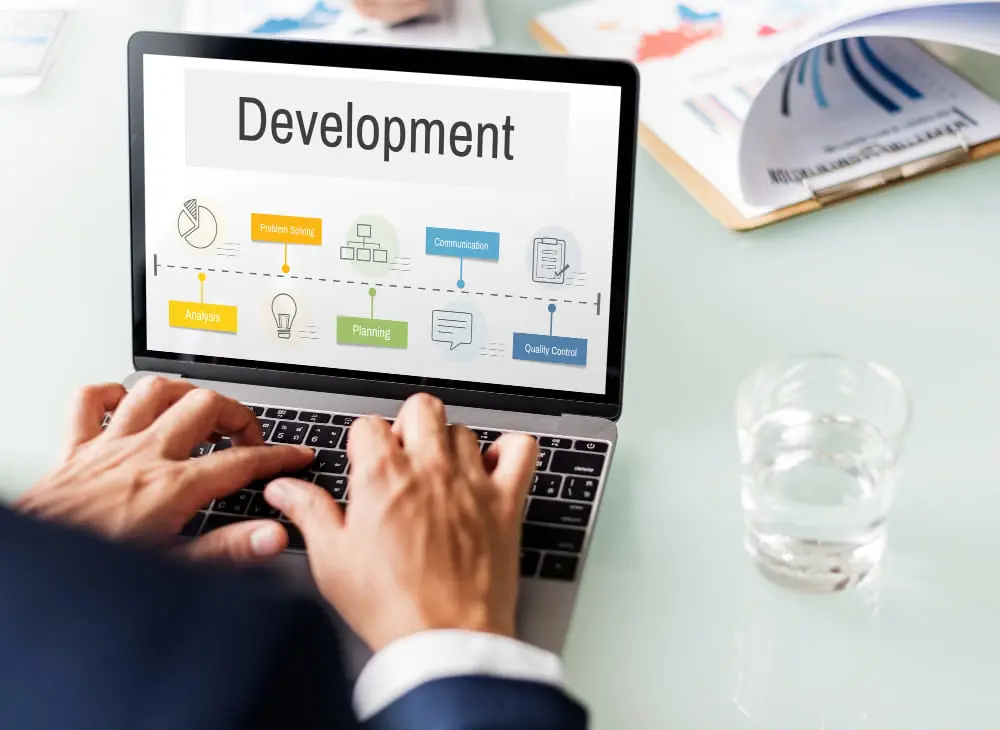
The Software Development Lifecycle (SDLC) plays a critical role in helping businesses plan, build, and manage software effectively. By following a structured SDLC process, organizations gain clear visibility into project scope, timelines, and resource requirements, which significantly reduces uncertainty and development risks. This systematic approach ensures better decision-making from the initial planning stage through final deployment.
Most importantly, SDLC enables organizations to deliver reliable, scalable, and secure software solutions that align with long-term business goals. By maintaining consistency, documentation, and continuous improvement, businesses can adapt to market changes, enhance customer satisfaction, and achieve sustainable growth through technology-driven innovation.
A well-defined SDLC also helps businesses control development costs and improve software quality. Regular reviews, testing, and validation at each phase prevent costly errors and rework. In contrast, projects developed without an SDLC framework often suffer from scope creep, poor coordination, missed deadlines, and technical failures that lead to budget overruns and dissatisfied stakeholders.
Frequently Asked Questions?
The software development lifecycle is a structured process for planning, building, testing, deploying, and maintaining high-quality software applications.
SDLC reduces development risks, controls costs, improves product quality, and ensures software meets business goals and user expectations efficiently.
The main SDLC phases include requirement analysis, design, development, testing, deployment, and ongoing maintenance for continuous improvement.
Popular SDLC tools include Jira, Git, Jenkins, Docker, Selenium, and project documentation platforms.
Ignoring SDLC leads to poor planning, frequent bugs, higher costs, missed deadlines, and software that fails business objectives.