Common SEO Mistakes That Stop Your Website From Getting Traffic
Many websites look great but fail to appear on Google’s first page. If your website is not ranking on Google, the reason is often hidden SEO issues, poor content strategy, or technical mistakes. In this guide, we break down the exact reasons why your website isn’t ranking and how to fix them for long-term organic growth.
Google ranks websites based on relevance, content quality, performance, and user experience. When a website fails to appear on the first page of search results, it usually means one or more of these critical ranking signals are missing or poorly optimized.Many website owners focus heavily on design but ignore SEO fundamentals. While a visually appealing website builds trust, Google ranks usefulness not beauty.
A slow-loading website hurts both user experience and rankings. Pages that take more than 3 seconds to load often see higher bounce rates. Unoptimized images, heavy scripts, and poor hosting are common reasons websites fail this ranking factor.
ESSENTIAL REASONS WHY YOUR WEBSITE IS NOT RANKING
Poor Keyword Targeting
If your website targets the wrong keywords or none at all Google cannot understand what your pages are about. Many websites fail because they target high-competition keywords without authority.
Low-Quality or Thin Content
Google prioritizes helpful, in-depth content. Websites with short, copied, or generic content struggle to rank because they provide no real value to users.
Slow Website Speed
A slow website kills rankings. Google favors fast-loading websites, especially on mobile devices. Poor hosting, unoptimized images, and heavy scripts are common causes.
No On-Page SEO Optimization
Missing meta titles, descriptions, H1 tags, internal links, and image alt text are major reasons why your website is not ranking on Google.
Mobile Optimization Issues
Google uses mobile-first indexing. If your website does not perform well on mobile, rankings will suffer even on desktop searches.
No Quality Backlinks
Websites without strong, relevant backlinks lack authority, making it difficult for Google to trust and rank them above competitors.
CONTENT STRATEGY & SEARCH INTENT MISMATCH
One of the biggest reasons why your website is not ranking on Google is search intent mismatch. Many websites target the right keywords but fail to answer what users are actually looking for. Google prioritizes content that fully satisfies user intent whether it’s informational, commercial, or transactional. If your page does not clearly solve the searcher’s problem, Google will not rank it, even if your SEO looks perfect.
To fix this, your content must be long-form, structured, keyword-optimized, and intent-focused. Use your focus keyword naturally in headings, opening paragraphs, and supporting content. Add FAQs, step-by-step explanations, examples, and internal links. When your content aligns with search intent and provides better value than competitors, Google rewards it with higher rankings and more organic traffic.
Key Steps to FIX A WEBSITE THAT IS NOT RANKING
If your website is not ranking on Google, the first step is to identify technical, content, and SEO gaps that are blocking visibility. Common issues include poor keyword targeting, slow page speed, weak content quality, and lack of proper on-page optimization. Google ranks websites that are fast, relevant, user-friendly, and optimized for search intent.
Optimize your focus keyword in the title, H1, H2, and first 100 words
Improve page speed & Core Web Vitals for better user experience
Create high-quality, intent-based content that solves real user problems
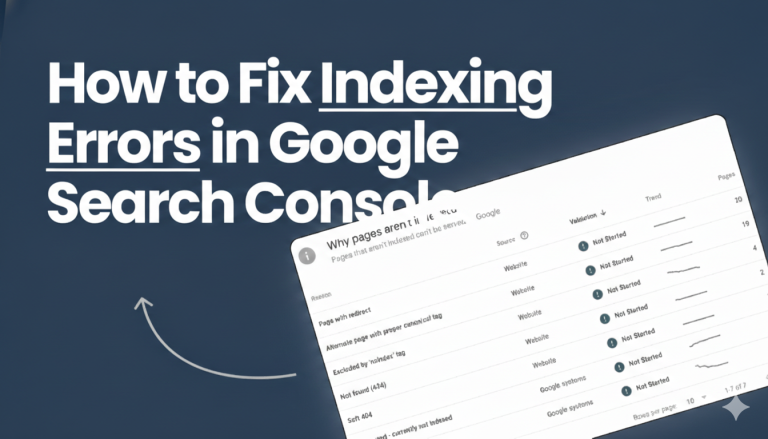
Fix technical SEO issues (indexing, broken links, schema, mobile errors)
Use internal linking to pass authority across important pages
Update old content regularly to stay relevant in Google search results
To fix ranking issues, focus on improving content depth, using the right keywords in headings, optimizing page speed, and ensuring mobile responsiveness. Regular content updates, internal linking, and proper SEO structure help Google understand your website better and improve long-term rankings without relying heavily on backlinks.

What a Google-Friendly Website Needs
Fast loading speed
A fast-loading website improves user experience, reduces bounce rates, and helps Google rank your pages higher in search results.
SEO-optimized content structure
Proper heading hierarchy, clear sections, and structured content help search engines understand and rank your website effectively.
Proper keyword placement
Placing focus keywords naturally in titles, headings, URLs, and content improves relevance and boosts organic search visibility
Mobile-first design
A mobile-first website ensures better performance, usability, and rankings since Google prioritizes mobile-friendly pages.
Clear internal linking
Strategic internal links guide users, distribute page authority, and help search engines crawl your website efficiently.
High user engagement metrics
Higher time-on-site, low bounce rate, and user interactions signal content quality and improve overall SEO performance.
Which Is the Best Company for SEO & Website Optimization?

Amunis Technologies is a trusted SEO and website optimization company that helps businesses fix ranking issues and achieve consistent Google visibility. Our data-driven SEO strategies are designed to improve search performance, increase organic traffic, and convert websites into high-performing digital assets. We don’t follow shortcuts or outdated tactics our approach focuses on sustainable, long-term growth.
Our SEO and website optimization services are ideal for startups, growing businesses, and enterprises looking for reliable organic growth. If your website is not ranking on Google, Amunis Technologies provides a clear roadmap, measurable improvements, and permanent SEO solutions that deliver real results not temporary boosts.
Unlike generic SEO agencies, Amunis Technologies performs deep website audits to identify technical issues, content gaps, and ranking barriers that prevent websites from appearing on Google’s first page. From site speed optimization and mobile-first design to keyword-focused content structure and internal linking, we fix the exact problems affecting your rankings.
Frequently Asked Questions?
Your website may suffer from poor keyword targeting, weak content, technical SEO errors, slow speed, or lack of optimization.
Yes. High-quality content, proper on-page SEO, and strong user engagement can rank pages even without backlinks.
Yes. Mobile responsiveness, loading speed, and user experience directly impact Google rankings.
Use tools like Google Search Console, Analytics, and SEO audits to identify keyword gaps, technical errors, and performance issues.
Yes. Strong internal linking helps search engines understand content hierarchy and improves crawlability.