
Why SEO Mistakes Kill Website Rankings
Discover the most critical SEO errors silently killing your Google rankings and learn proven, up-to-date fixes to recover traffic, authority, and long-term search visibility.
SEO Mistakes That Hurt Website Ranking
SEO mistakes that hurt website ranking are one of the biggest reasons why even well-designed websites fail to appear on Google’s first page. From technical misconfigurations to content and link-building errors, a single overlooked SEO issue can block your site’s growth.
In this in-depth guide, we break down the most damaging SEO mistakes, explain why they hurt rankings, and show you how to fix them permanently based on real competitive analysis of top-ranking pages and Google’s latest algorithm updates.
Common SEO Mistakes That Hurt Website Ranking
Search Intent Misalignment
Creating content that ignores user intent leads to low engagement and ranking drops. Always align pages with informational, commercial, or transactional intent users expect today.
Wrong Keyword Targeting
Targeting high-competition or irrelevant keywords wastes effort and traffic. Validate keywords using difficulty, intent, and business relevance before publishing any page on your website strategy.
Technical Indexing Issues
If pages are not indexed due to noindex tags, robots.txt blocks, or canonicals, they cannot rank. Regularly audit indexing via Google Search Console tools frequently.
Slow Page Speed & Core Web Vitals
Slow-loading websites hurt rankings, increase bounce rates, and fail Core Web Vitals. Optimize images, caching, CDN usage, and code minification for faster performance across devices.
Thin Content & No Topical Authority
Publishing thin, isolated content without topic clusters weakens authority. Build in-depth pillar pages, supporting articles, and strong internal linking to dominate rankings consistently long-term growth.
Ignoring Internal Linking
Ignoring internal linking wastes link equity and crawl efficiency, limiting rankings. Use contextual links between related pages, descriptive anchors, and hierarchy to strengthen topical authority.
Why Fixing SEO Mistakes Is Critical for Long-Term Growth
SEO mistakes don’t just lower rankings they silently drain organic traffic, reduce conversions, and weaken your brand’s authority in search results. When technical issues, poor content structure, or weak optimization signals stack up, Google loses trust in your website, making it harder to compete even with average competitors.
Fixing these SEO mistakes creates a strong foundation for sustainable growth. Clean technical SEO, intent-driven content, and optimized user experience help search engines understand your value clearly. The result is higher rankings, better engagement, improved conversions, and long-term visibility that survives algorithm updates.
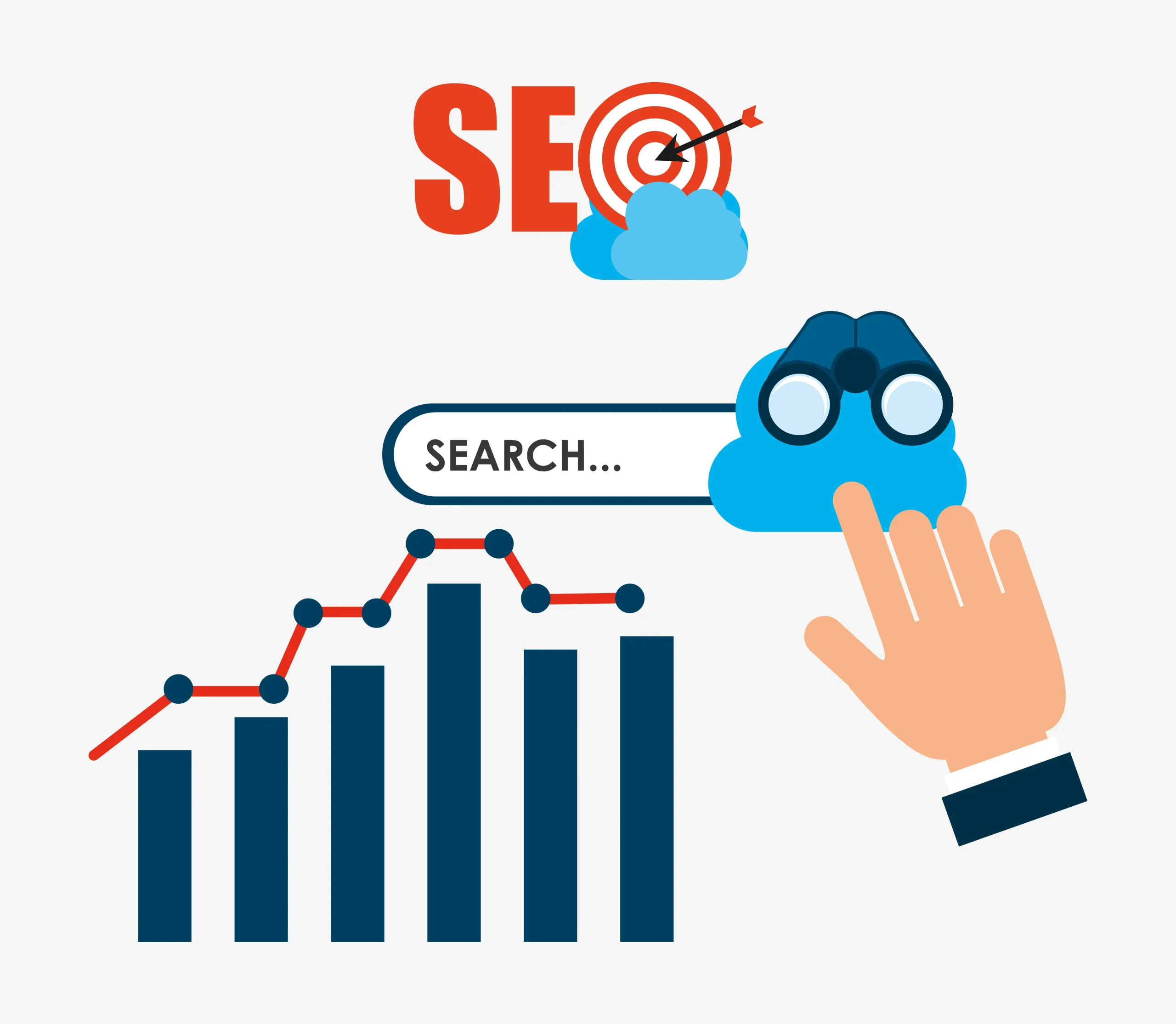
How to Audit & Fix SEO Mistakes That Hurt Website Ranking
1. Technical SEO Audit
Start by checking crawlability, indexation, site speed, mobile usability, and Core Web Vitals. Fix noindex tags, broken links, redirect chains, and rendering issues first.
2. Keyword & Search Intent Analysis
Review whether each page targets the correct keyword and intent. Align content with informational, commercial, or transactional intent based on top-ranking competitors.
3. Content Gap & Quality Analysis
Identify missing subtopics, weak pages, and thin content. Expand pages with expert insights, FAQs, visuals, and updated data to outperform competitors in depth.
4. Backlink Profile Review
Analyze backlinks for quality, relevance, and anchor text distribution. Remove or disavow toxic links and focus on earning editorial, industry-relevant backlinks.
5. UX & Core Web Vitals Optimization
Improve layout clarity, mobile experience, page speed, and navigation. Better UX increases dwell time, lowers bounce rates, and supports higher rankings.
6. Continuous Monitoring & Regular Audits
SEO is not a one-time task. Run audits monthly or quarterly to adapt to algorithm updates, competitor changes, and new ranking opportunities.

On-Page SEO Mistakes That Block Visibility
Poor Meta Titles & Descriptions
Weak or missing meta titles reduce CTR and rankings. Always use the focus keyword first, add power words, urgency, and clear intent to attract clicks.
Improper Heading Structure
Using multiple H1s or skipping heading levels confuses search engines. Maintain one H1 per page with a logical H2–H3–H4 content hierarchy.
Thin or Duplicate Content
Thin or duplicated pages fail to provide value and get demoted. Publish original, in-depth, expert content that clearly exceeds competitor quality and depth.
Keyword Over-Optimization
Stuffing keywords unnaturally harms readability and triggers penalties. Use semantic keywords, natural language, and user-focused content instead of forced repetition everywhere.
Poor Internal Anchor Text
Generic anchors like “click here” waste SEO value. Use descriptive, keyword-rich anchor text to help search engines understand page relevance and context.
Missing Image Optimization
Unoptimized images slow pages and lose traffic. Use compressed images, descriptive filenames, and keyword-optimized alt text to improve SEO and accessibility.
Frequently Asked Questions?
Indexing issues, thin content, poor keyword targeting, and slow page speed are the most damaging.
Yes, if left unresolved. However, fixing them can restore rankings over time.
Technical issues block crawling and indexing, making them more critical initially.
Yes. New websites struggle to gain trust if mistakes exist early, while older sites can lose hard-earned authority if errors remain unresolved for long periods.
Use tools like Google Search Console, Rank Math SEO, PageSpeed Insights, and regular technical audits to uncover crawl, content, and performance issues.